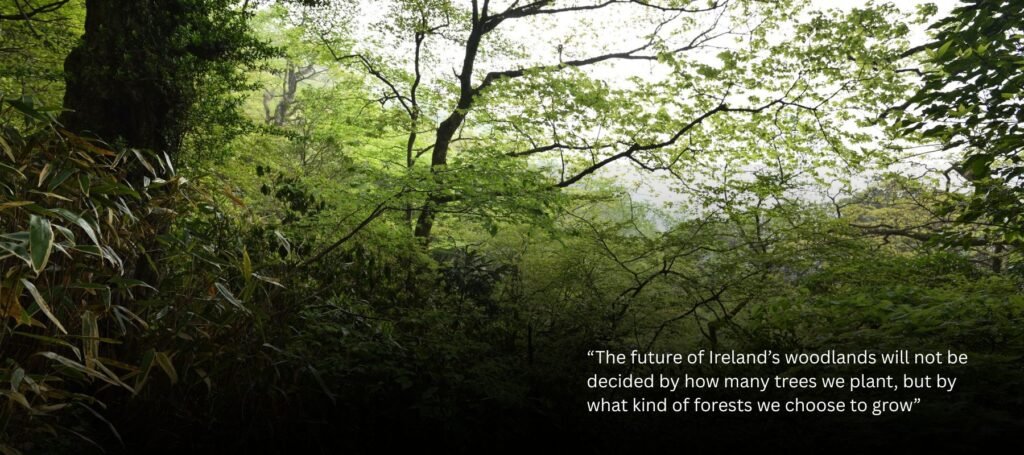
How Native Trees Support Complex Ecosystems
Each native tree species plays a unique ecological role. Oak supports hundreds of insect species. Birch encourages early successional growth. Alder improves soil fertility near water. Hawthorn provides food and shelter along woodland edges. Together, these species create structural and biological complexity. This layered habitat system allows life to multiply naturally, forming resilient ecosystems that regenerate without constant intervention.
The Hidden Underground Network of Native Woodlands
Beneath every native woodland lies an unseen network of roots and fungi working in cooperation. Mycorrhizal fungi connect trees underground, transferring water, nutrients and carbon between them. Older trees support younger saplings. Stressed trees receive resources from healthier neighbours. This cooperative system strengthens biodiversity from the soil upward. Healthy soil organisms improve fertility, water retention and carbon storage, creating long-term ecosystem stability.
The Problem with Simplified Forest Systems
Forests dominated by a single non-native species often lack undergrowth and habitat diversity. Limited light reaches the forest floor, reducing plant growth and restricting insect populations. Deadwood is frequently removed, removing essential habitat for fungi, beetles and birds. While these systems may serve commercial purposes, they rarely generate the same biodiversity as native Irish woodlands. Complexity is reduced, and resilience weakens.
The Social and Cultural Value of Biodiverse Landscapes
Biodiversity is not only ecological. It shapes how people experience the land. Native woodlands create spaces where birdlife returns, wildflowers emerge and seasonal changes become visible again. These landscapes encourage slower movement, observation and care. A biodiverse woodland fosters connection between people and place, strengthening both environmental awareness and community wellbeing.